Wednesday, 12 November 2014

Stunning Mount Pinatubo Volcano!

Mount Pinatubo, about 150km north-west of Manila, is an active volcano which last erupted in 1991, bringing havoc and destruction to the area. Nevertheless, today it is one of the most beautiful places in the island of Luzon. A 4x4 jeep ride and trek takes you through the lahar flows, now cooled and sometimes hardened, and up to the caldera. Rainwater collected inside the caldera to form a beautiful lake.

Mount Pinatubo offers stunning views all throughout the trek! The landscape changes from stark, grey earth to steep rock faces to tropical greenery to gushing streams. You will find yourself walking over white sand, hardened grey lahar, stones and boulders, and crossing fast-moving streams. The trek is of medium difficulty, provided the sun is hidden by clouds and it is not too hot. :)

I booked with Tripinas for 2,100 pesos - the only tour agency I could find that offered per person rates, rather than group rates. We were a group of about 20 people with 4 local guides and 1 tour manager. Met some nice Filipino people in the group. We started in the 4x4 just after sunrise, and the view of the sunlight playing on the mountain faces and grass was just breathtaking! At one point, we saw a lone horseman in the distance. In the morning the heat was not too bad, but every time the sun came out, it was killing!

The landscape has a calm, barren kind of beauty. There are absolutely no animals or birds in sight. In the afternoon, we saw some shooting practice at the army base nearby. The most rewarding part of the trek is the first view of the crater lake and its still, serene, green water! You can climb down some stairs - after finishing the 2 hour trek, you kind of give up on trying to protect your feet :) - and walk down to the banks of the lake. The banks are filled with soft, white sand and it is very calm; perfect for gazing or relaxing. Mt Pinatubo is such a unique place, and I sure would love to do this again!


Sunrise over the mountains and lahar flows


4x4, driver and local guide


Starting the trek, feeling dwarfed by the mountains


Stark, barren, deserted landscape


But beautiful nevertheless!


Lots of streams to cross or walk through


Tropical forest


Making our way down to the lake


Rewarding view after the trek, so calm and stunning!


A peaceful place to be in


Tiny humans down at the lake


Acidic yellow and green mineral deposits all along the way


Rocks shaped by volcanic activity


Wednesday, 22 October 2014

The last paradise: Koh Lipe

Koh Lipe is literally the last Shangri-La! Located near the Thai-Malay border, it is a tropical paradise island with soft white sand, clear blue waters, colourful corals and friendly locals. It is also being quickly overrun by hotels and construction is rampant everywhere, taking away large parts of the beaches and island interiors. So, the best time to visit Koh Lipe is now, before it turns into another Phi Phi!


The stunning waters around Koh Lipe


View from Mountain Resort, at the northern end of Sunrise Beach, undoubtedly the best place to stay on the island!


Sunrise Beach, a quaint, beautiful and quiet place


A popular snorkelling spot near Sunrise Beach, less than a kilometre away from the island


The sea near Koh Lipe is shallow and clear, making it ideal for snorkelling. You can see right up to the sea bed, with its white sand, lots of live corals and colourful fish.


Bohemian, utopic beach bars!


A beach hut for everyone!


Relax, relax, relax all you want!


Cute little cafes are all over the island


Lots of dogs around as well


Thai version of Waterhenge (oops, Stonehenge)!


Koh Hin Ngam, the black pebble beach


From white sand to black pebbles, Koh Lipe has it all!


A snorkelling day tour on a fishing boat will usually take you to this spot, Jabang (also my favourite snorkelling place). I am too scared to dive, so I only snorkel, and Koh Lipe was a heaven for me :-). The water is brilliantly green - the dark green is due to the corals on the sea bed, and the the lighter green parts is the sandy sea bed.


A picture perfect tropical island, Koh Rawi. Rawi is much larger and higher than Lipe, but uninhabitable because of the rocks coming almost upto the sea. Camping is allowed for the night, and the local conservation authorities monitor the islands carefully to encourage coral regrowth.


We had a picnic lunch at Koh Rawi, not far from the jungle :-)


Friday, 19 September 2014

A Spanish legacy remains in Vigan

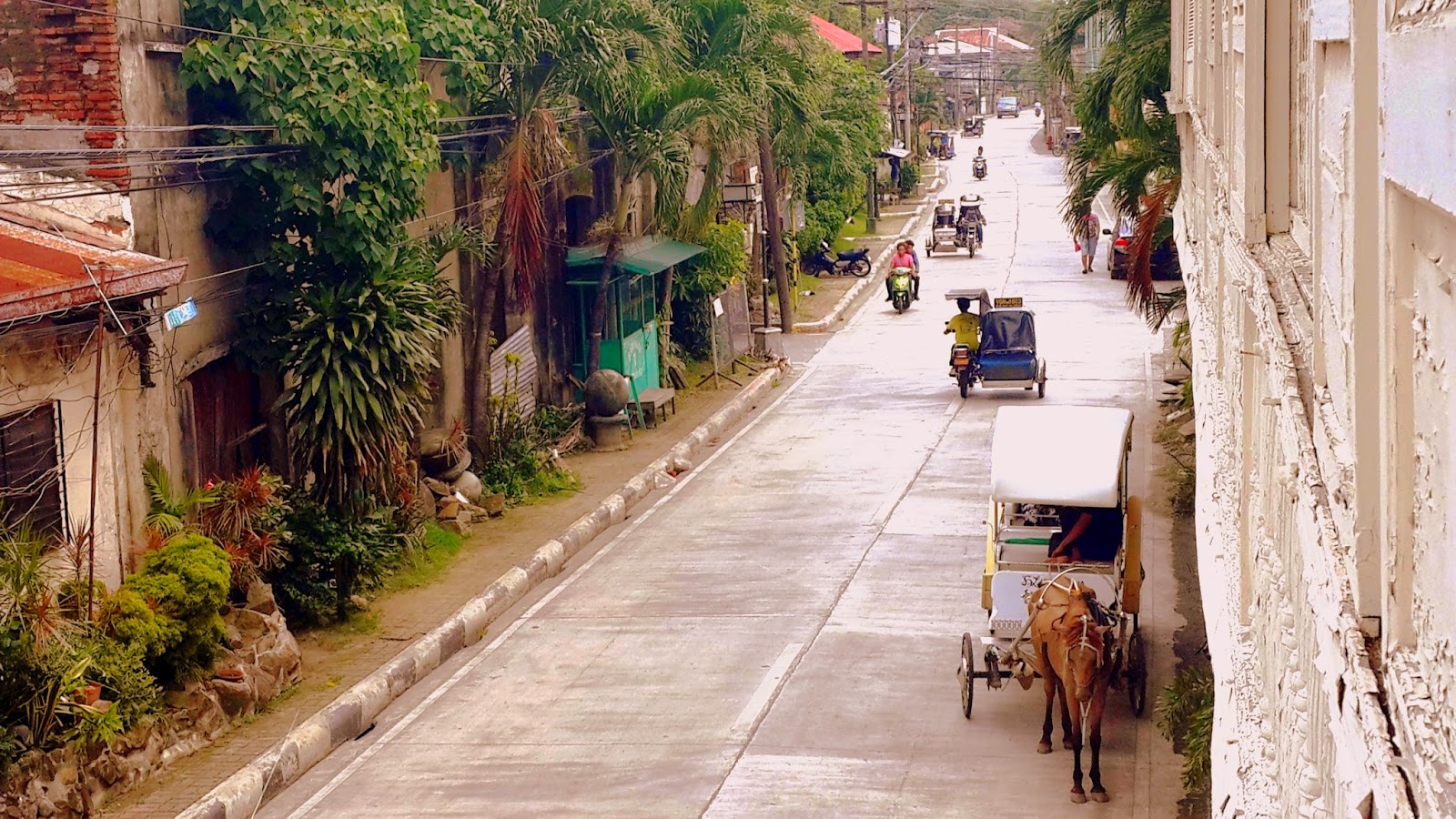
Vigan, a small city in the northern part of Luzon, Philippines, is known for its unique Filipino-Oriental-Spanish architecture. A historic city from the 16th century, it was first popular with Chinese merchants who came to trade with the indigenous mountain people, and then with Spaniards who came to evangelize and conquer the country. It is inscribed as a UNESCO World Heritage Site, for being one of the best-preserved Spanish colonial towns in Asia. Even now, it is common to see horse-drawn carriages (calesas), grand churches and people mingling on the cobblestone streets.

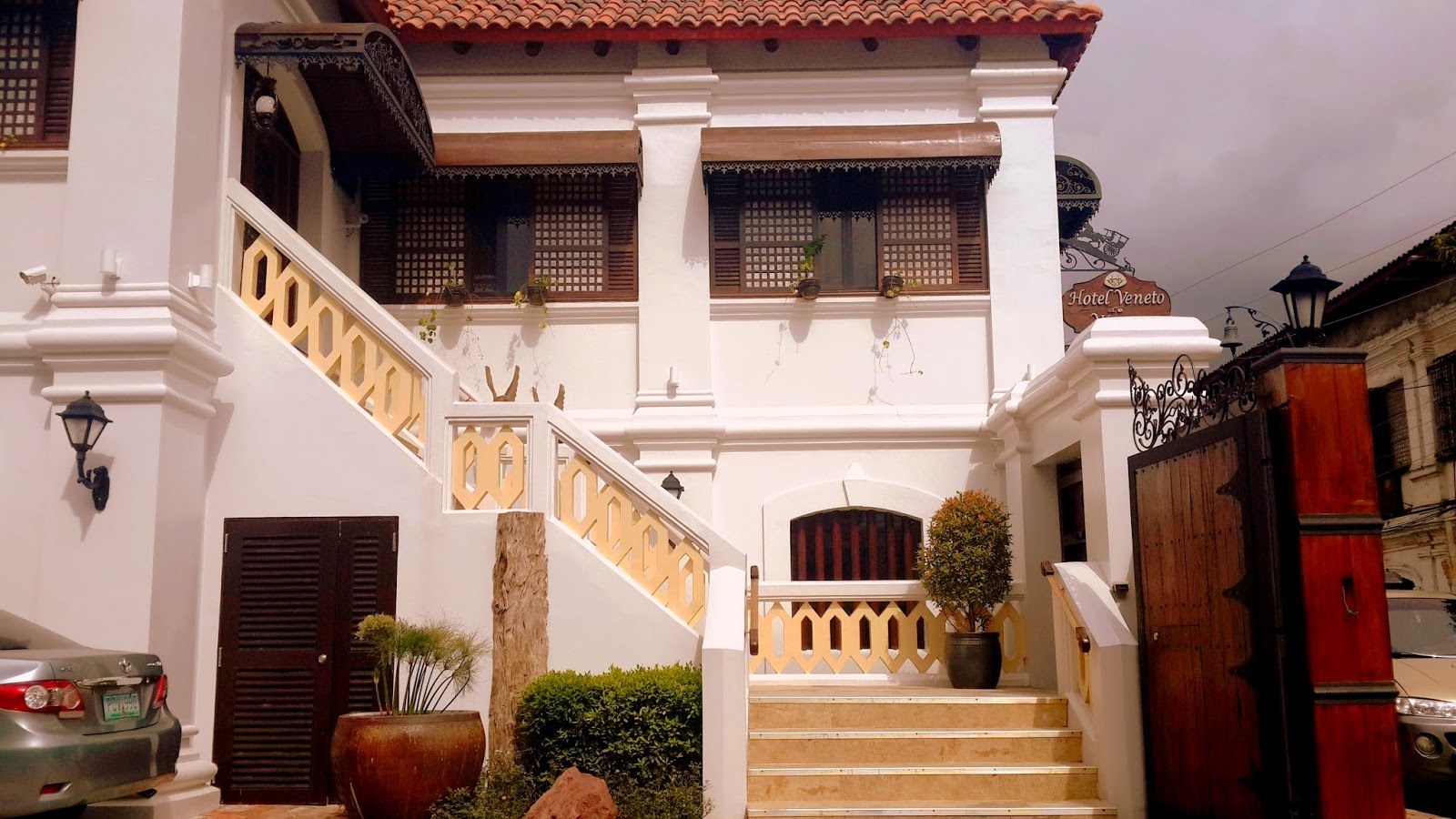
I had a wonderful experience with the hotel I stayed in, Veneto de Vigan. I lost my phone a few hours before I was supposed to leave Vigan, when it fell out of my pocket in a local tricycle. That was quite depressing, one reason being that all my photos of Vigan were in the phone. When I informed the hotel owner, without any real hope of getting it back, he and his staff mobilised all their resources to help me. They tried to identify the tricycle using street cameras, worked with the Public Safety office, and questioned tricycle drivers at the bus stand. Finally, they tracked down the tricycle where my phone had fallen out and recovered the phone from the driver! When they asked the driver why he never tried to return the phone or answer the calls to it, he innocently replied that it was too high-tech for him and therefore he thought it best not to touch the phone! And a week later I got my phone back when I was in Manila!


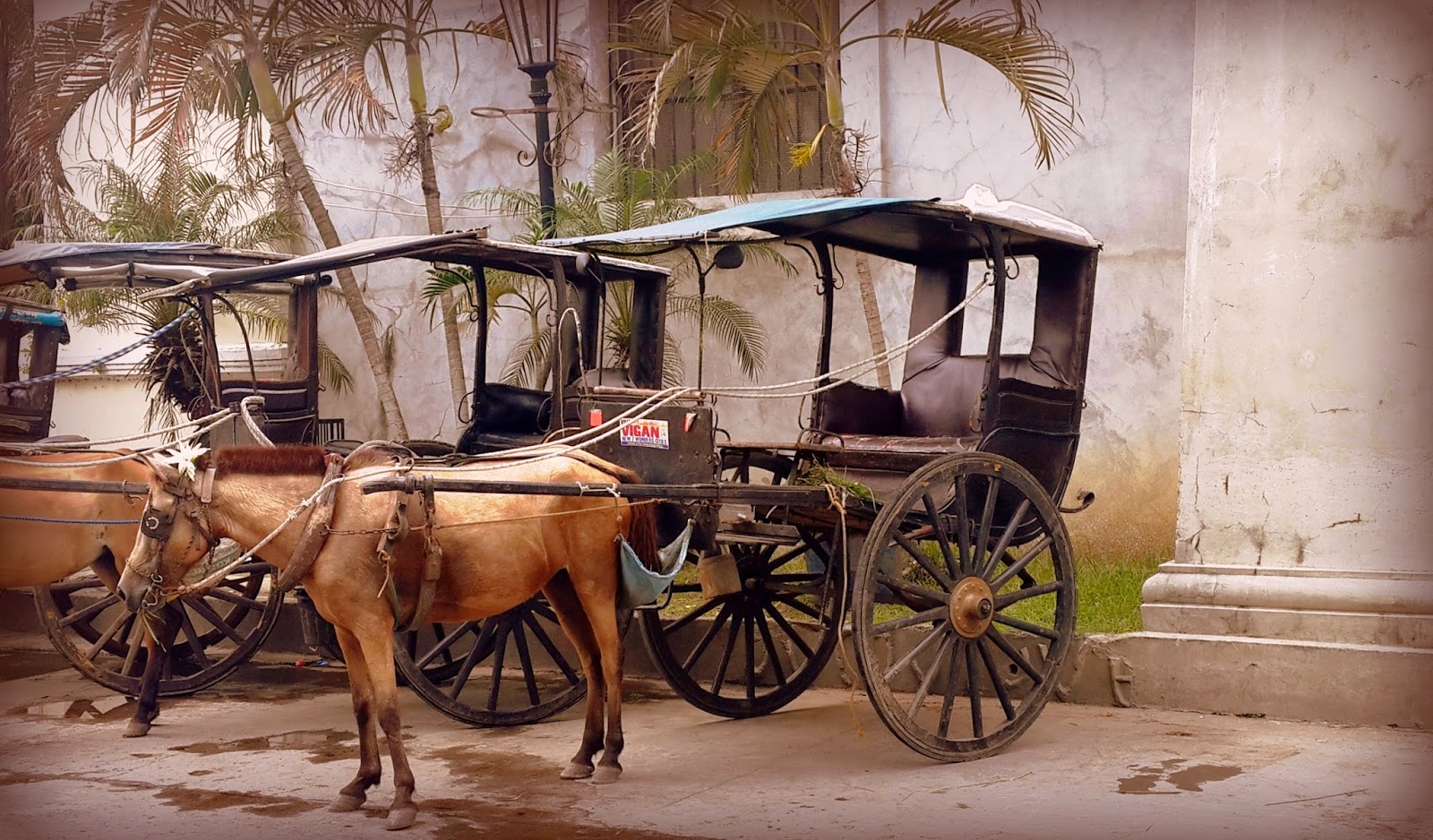
A calesa waiting for passengers


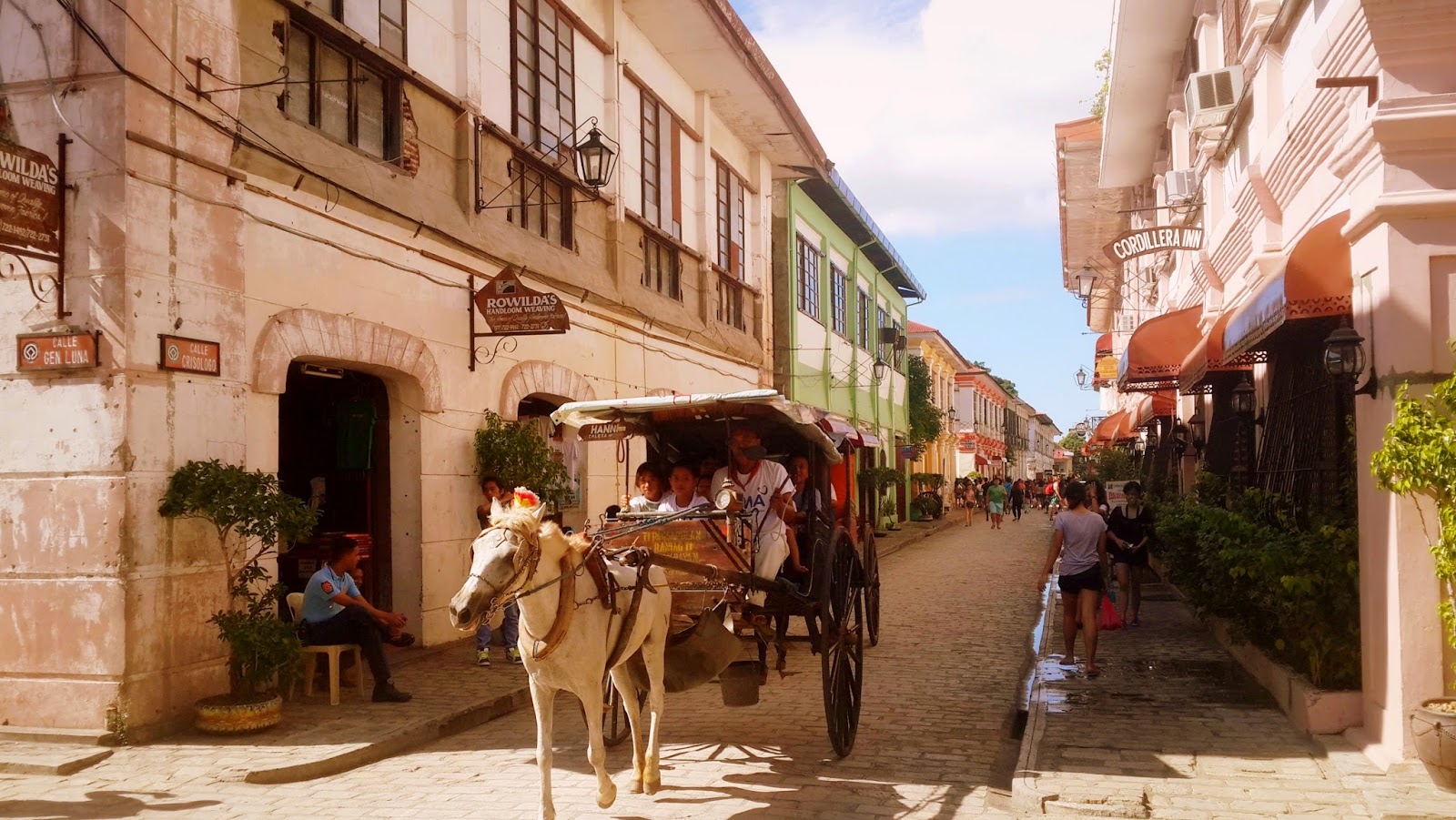
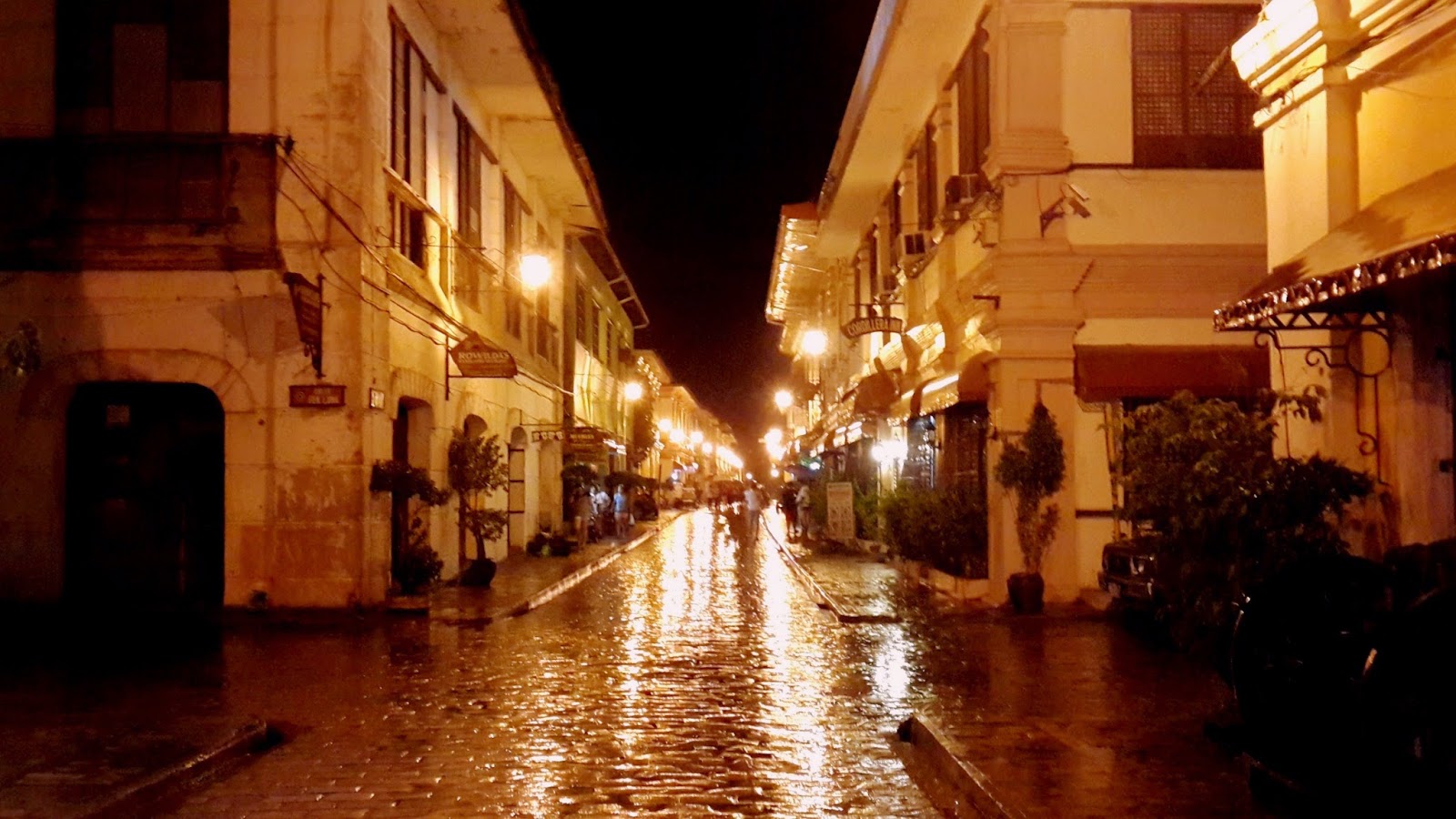
Calle Crisologo with its cobblestone streets is Vigan's main attraction


Spanish-Filipino ancestral houses


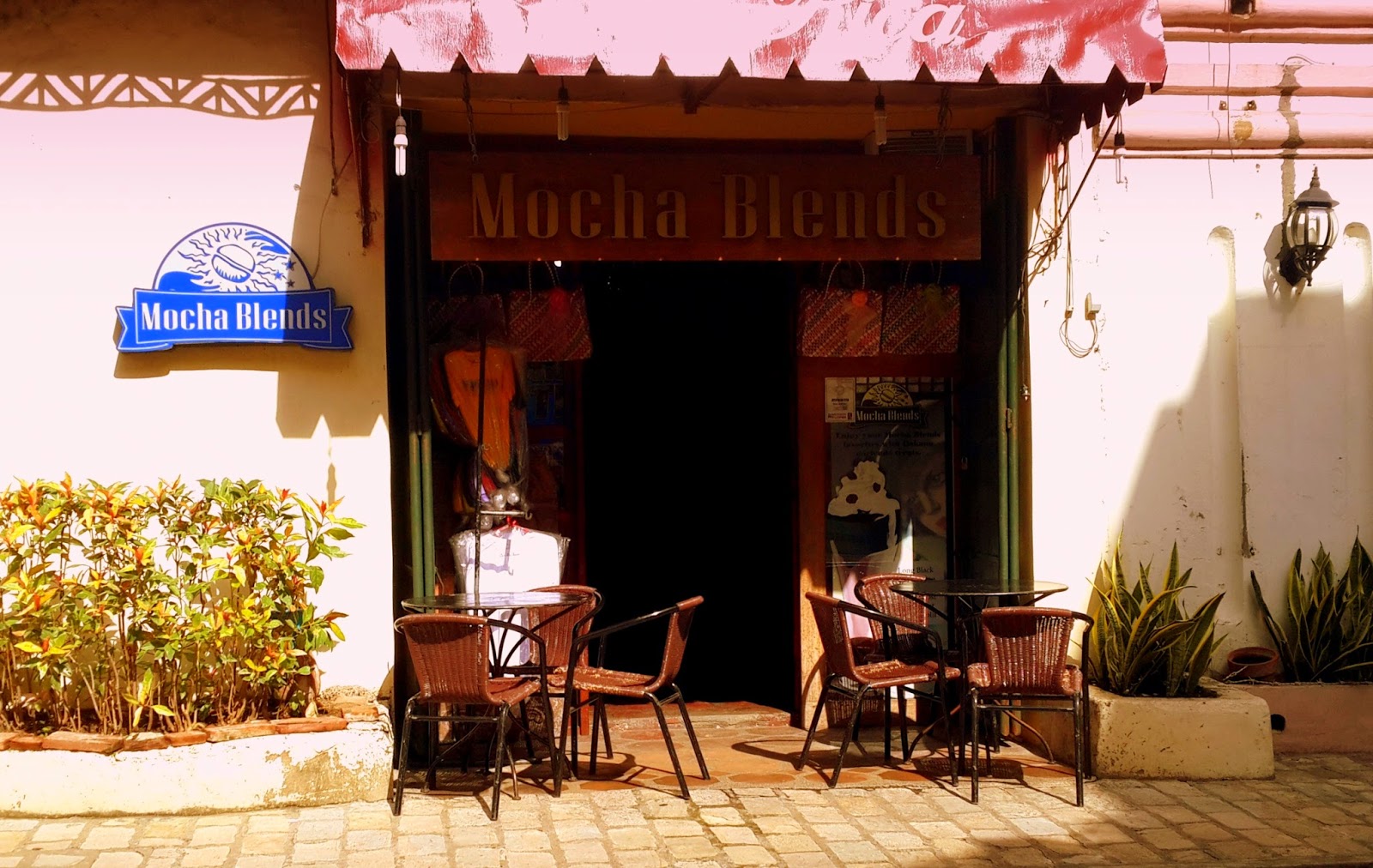
Cafe on Calle Crisologo


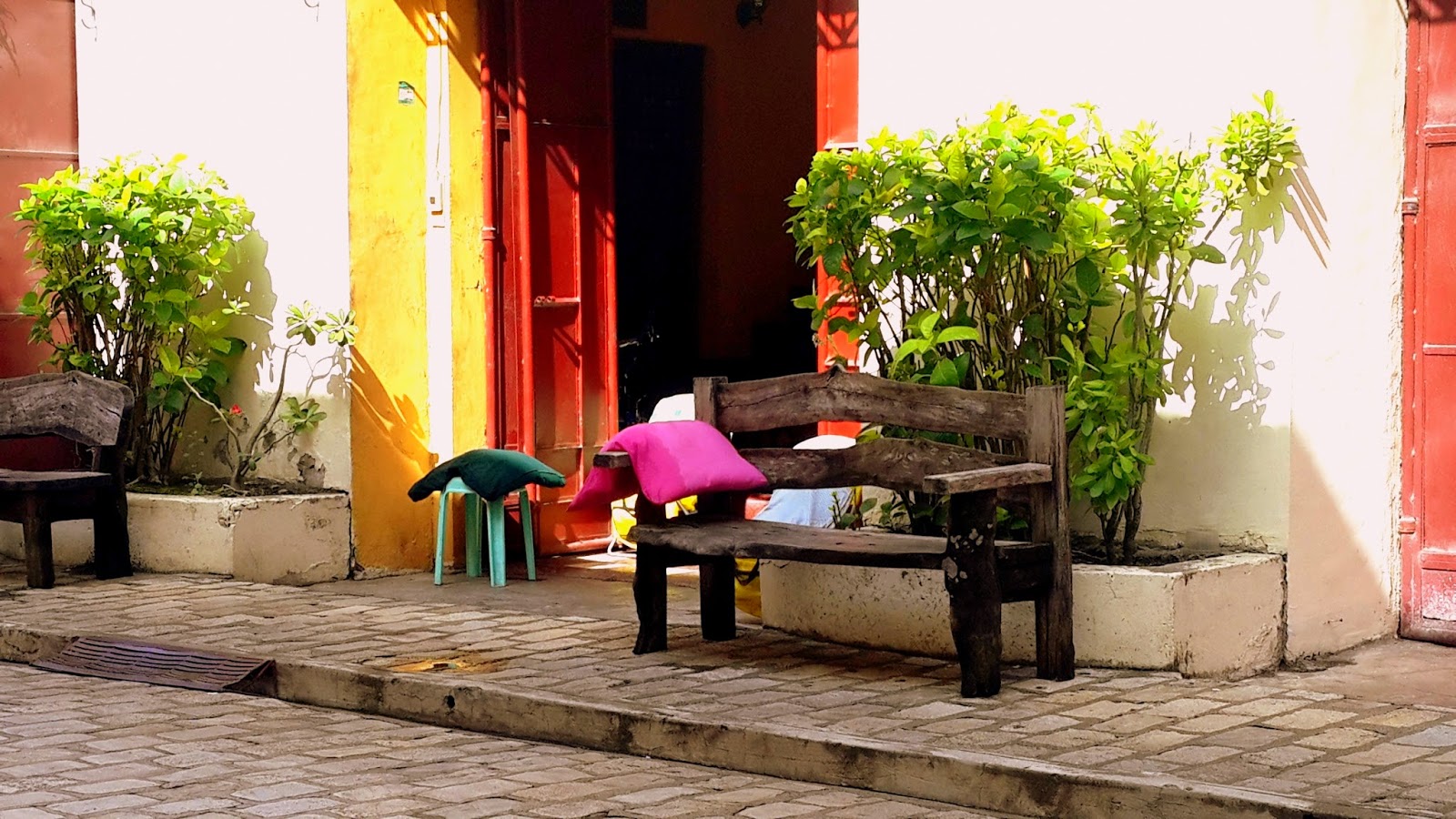
Benches to sit and relax


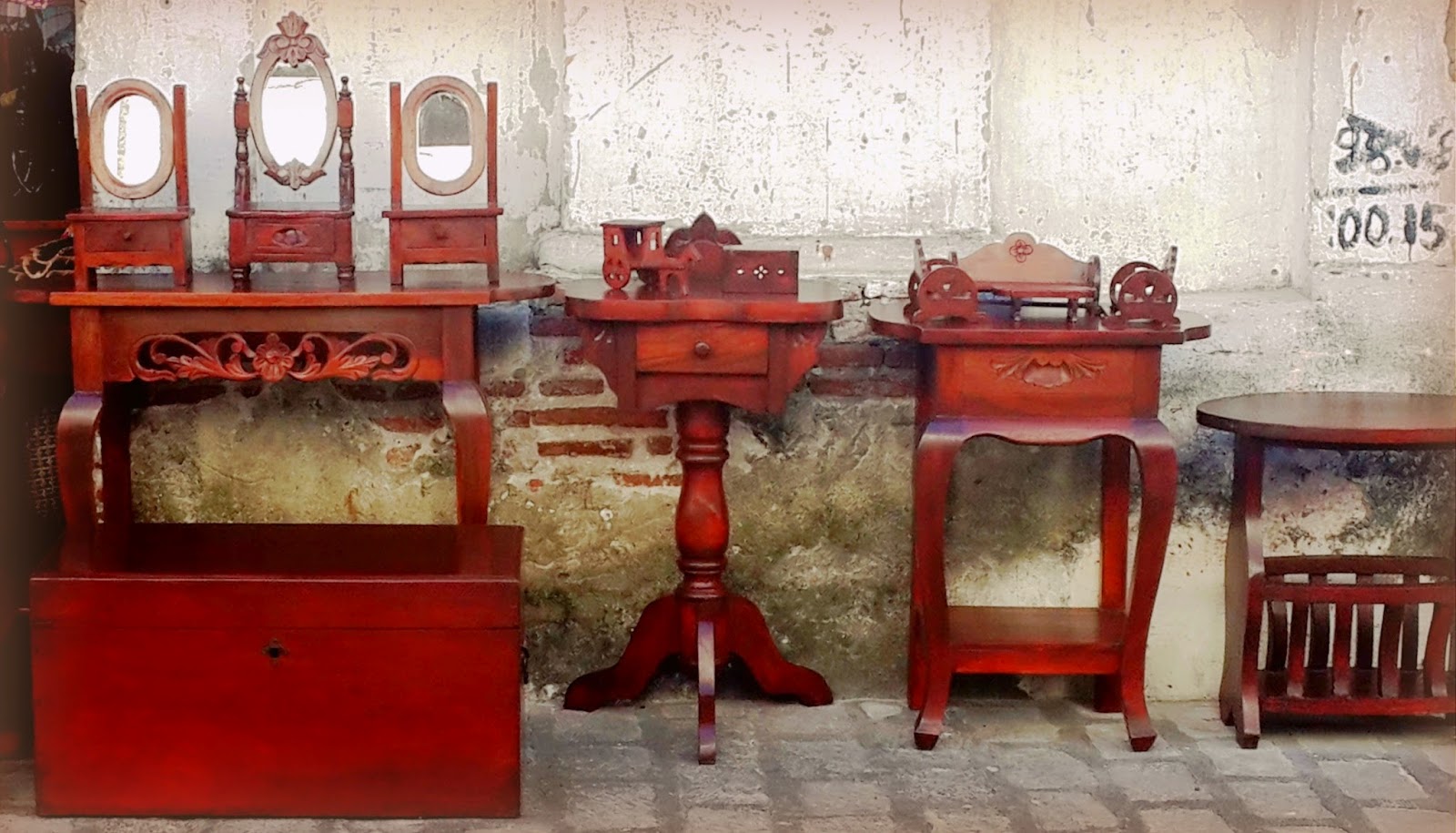
Shops selling antique wooden products


Calle Crisologo on a rainy night


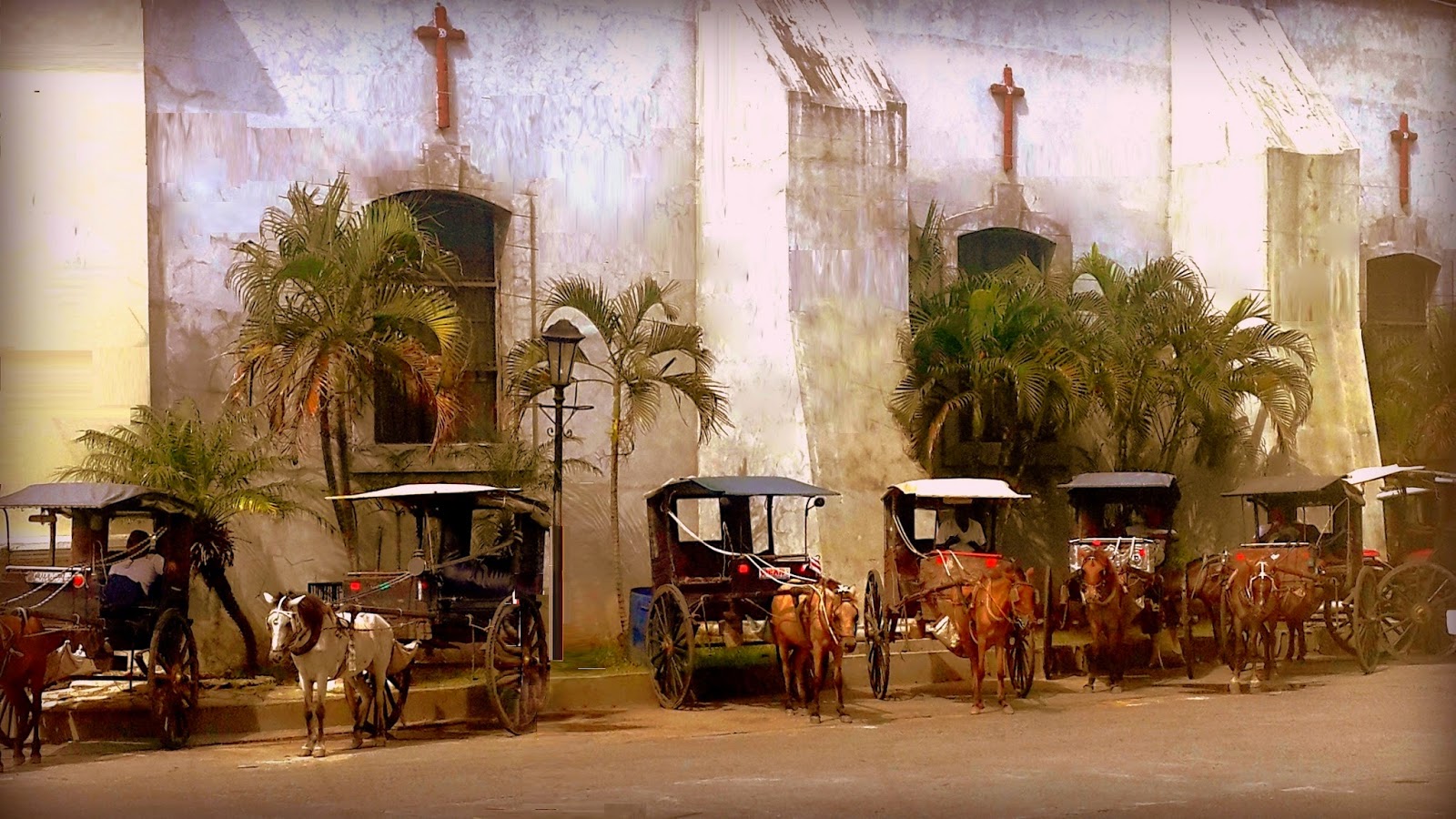
Calesas waiting for passengers in front of St. Paul's Cathedral


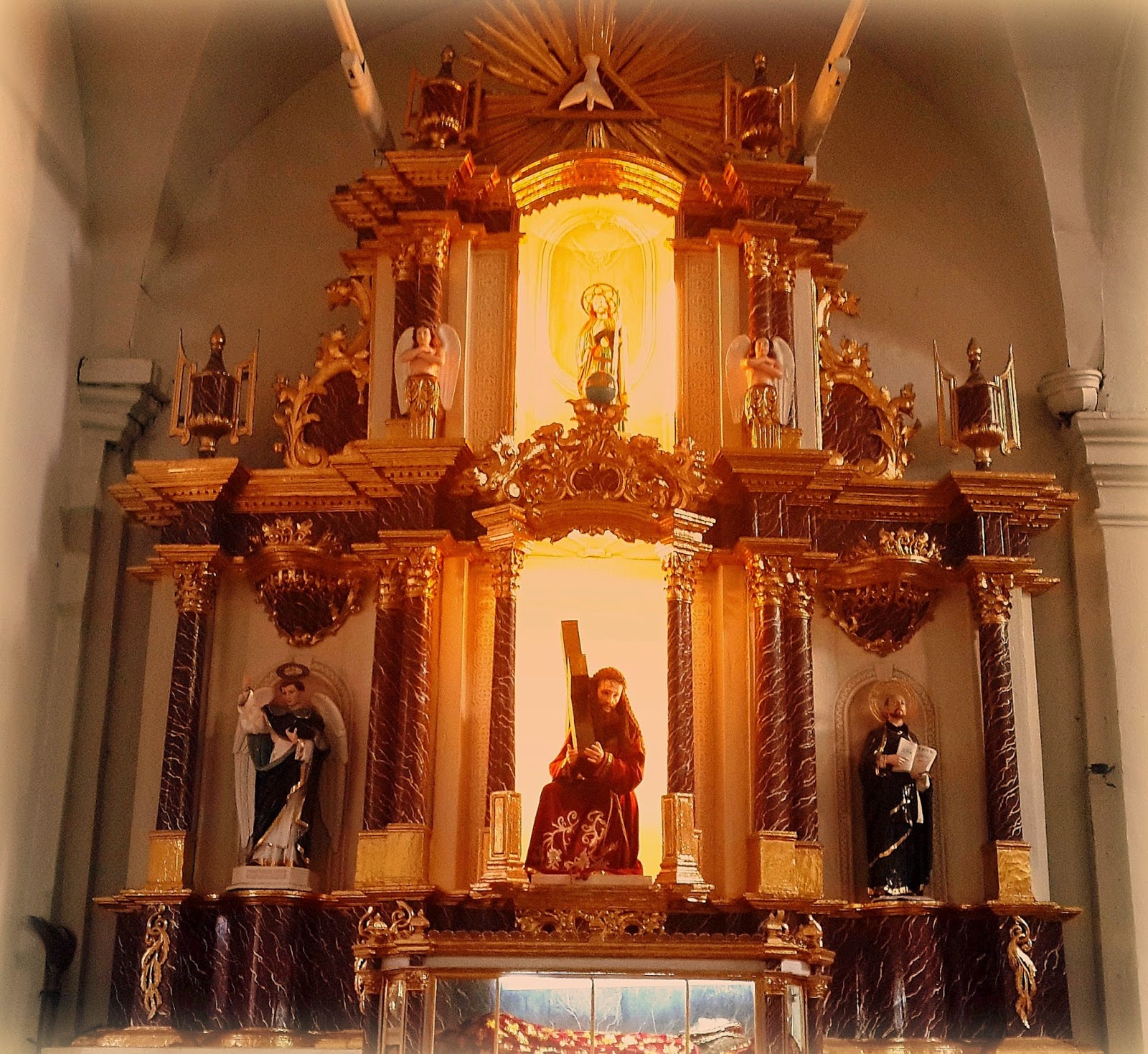
Interiors of St. Paul's Cathedral


Syquia Mansion, a rich, extensive house turned into a museum


Streets of Vigan are plied by calesas and tricycles


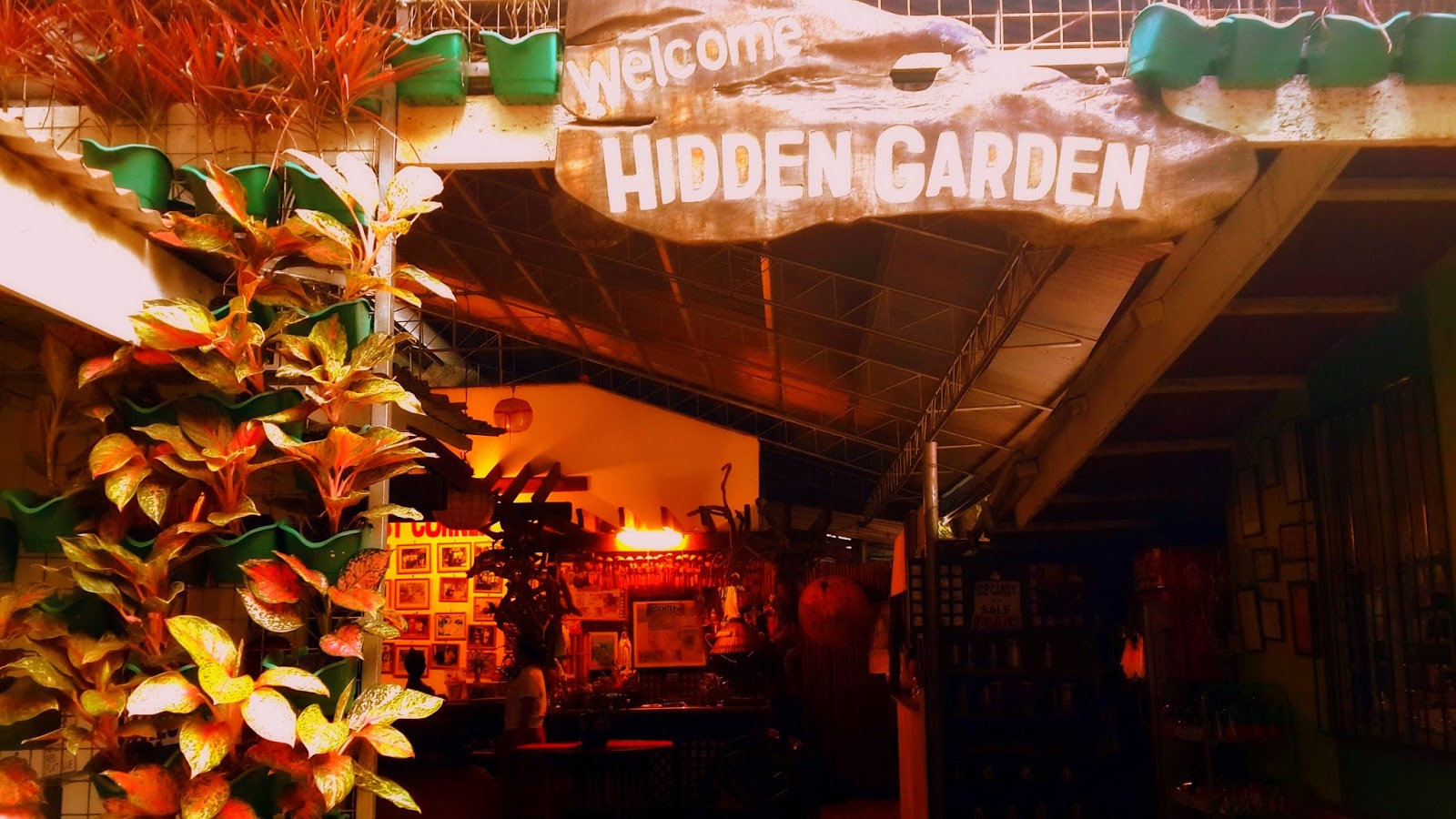
Hidden Gardens, a flower and bonsai exhibition


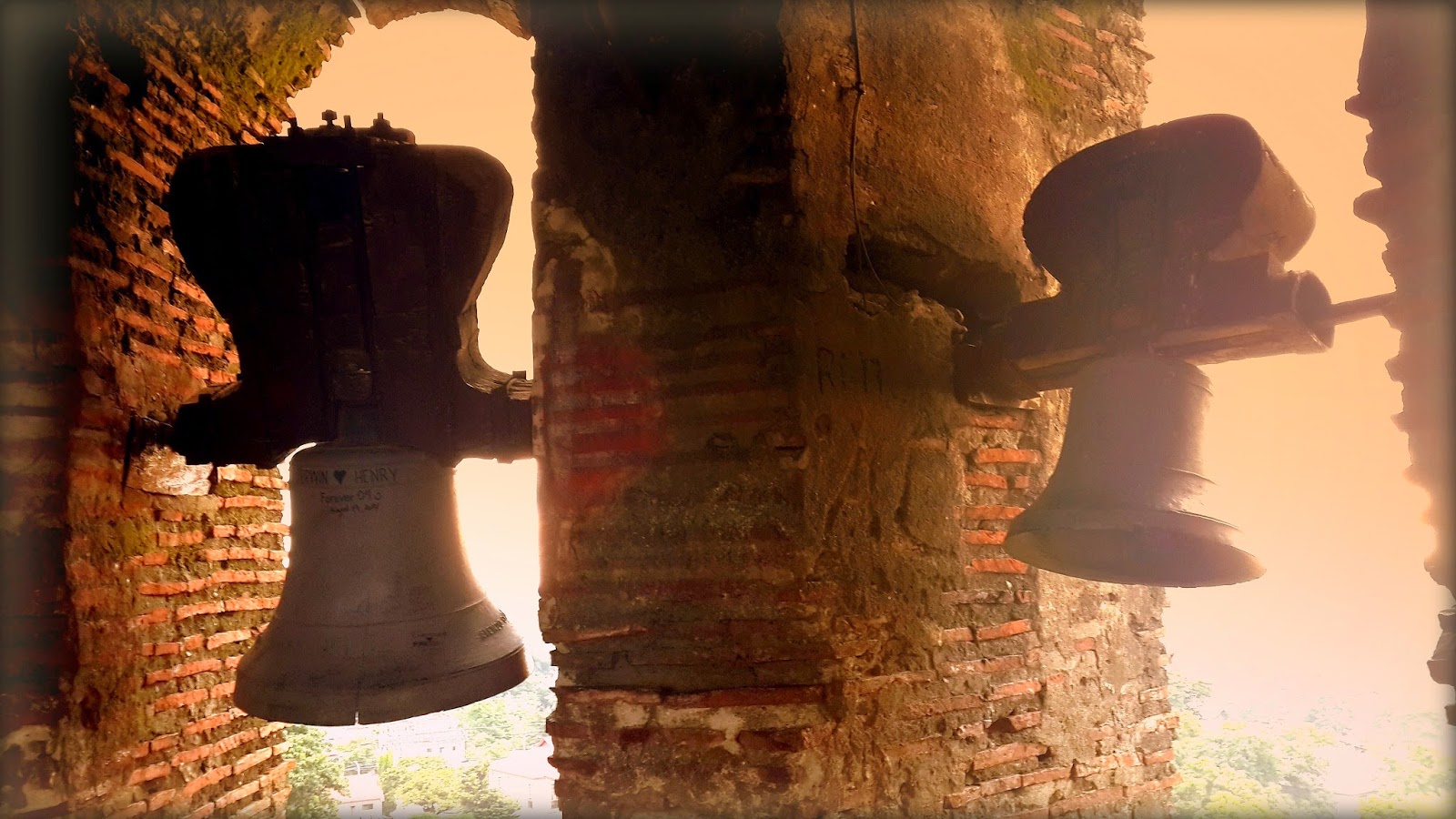
Bantay Bell Tower


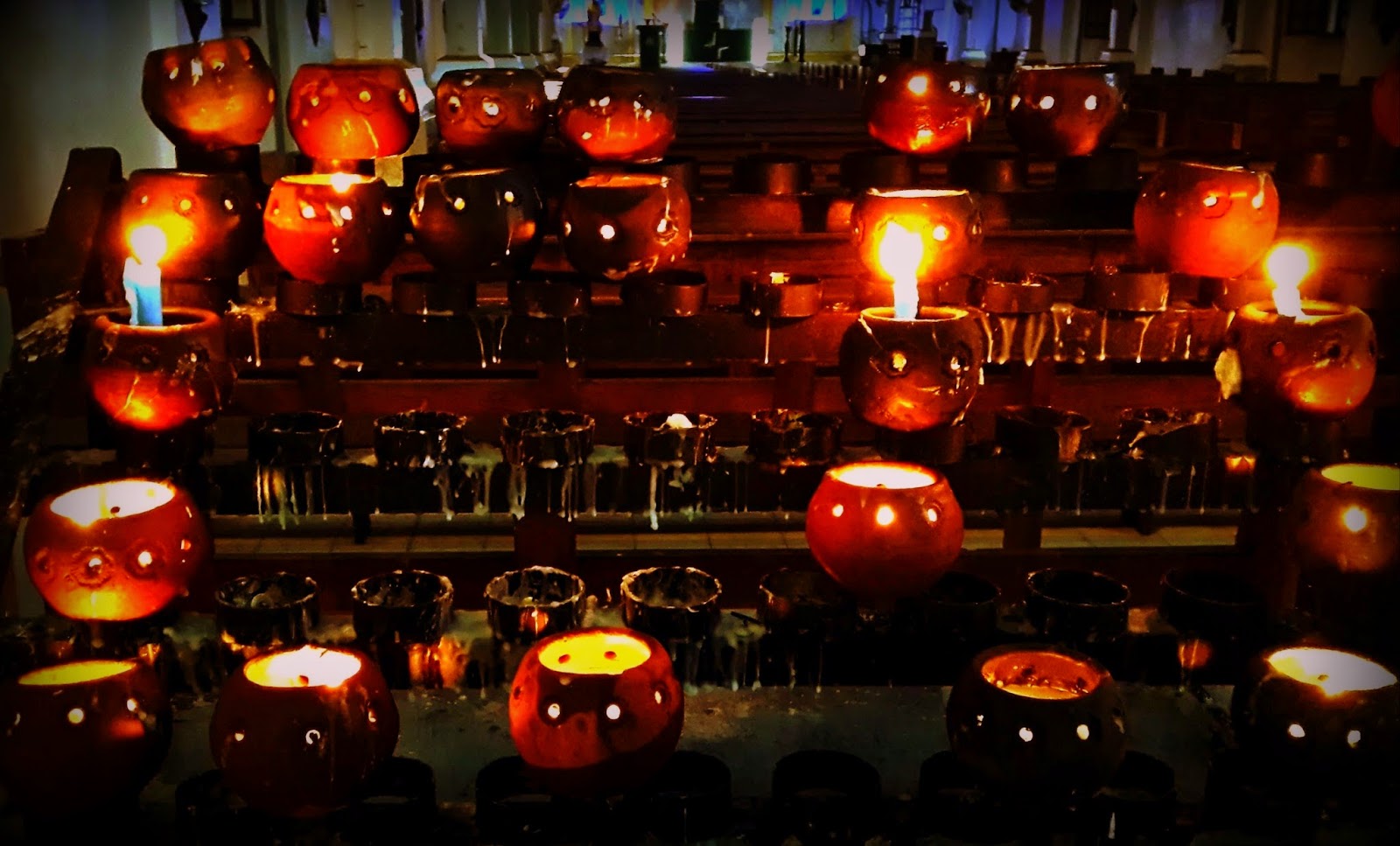
Candles and offerings, Chapel by the ruins


Veneto, an old house now converted into a hotel and a lovely place to stay in Vigan!


Interiors of Veneto


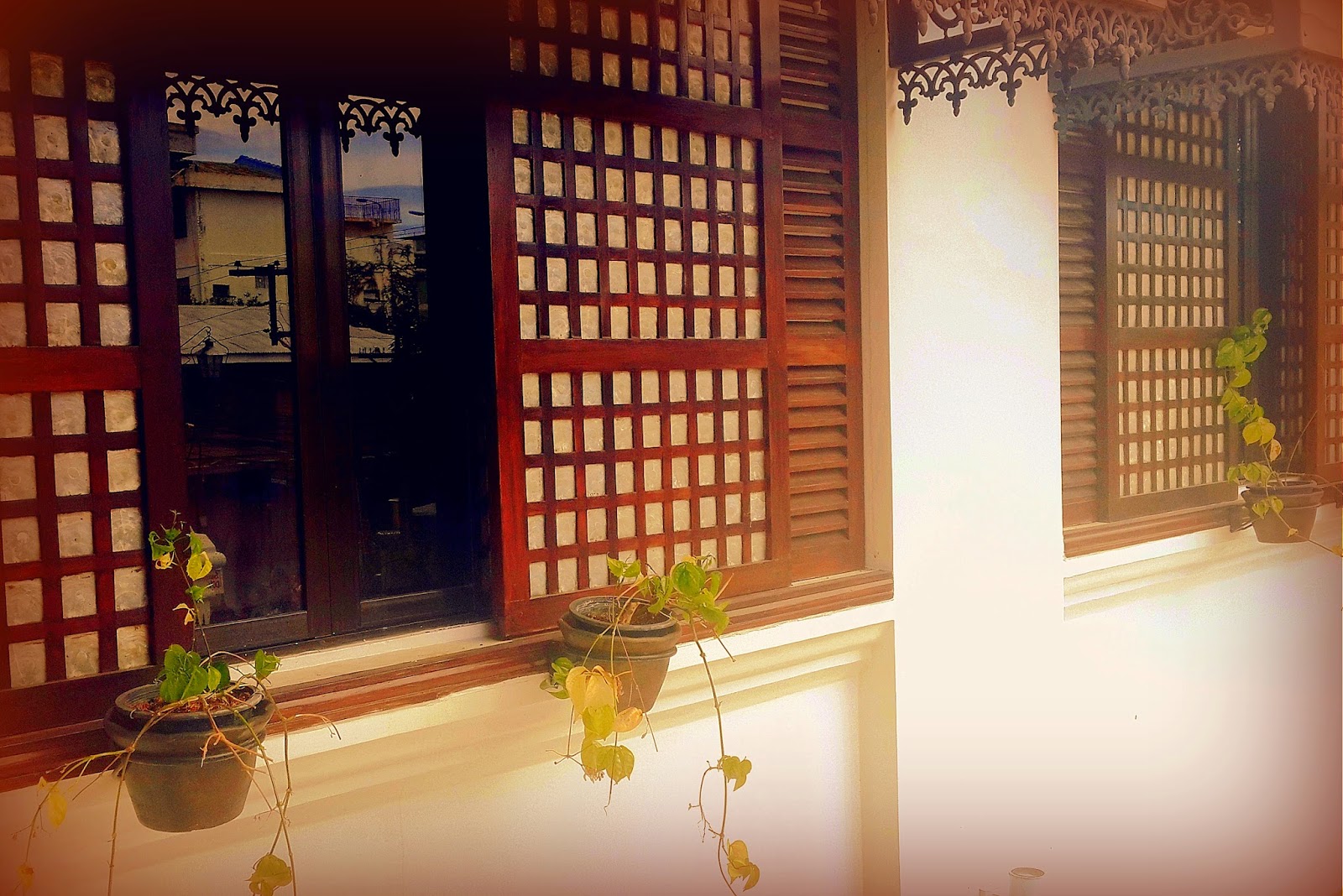
House windows